

Buy or Lease
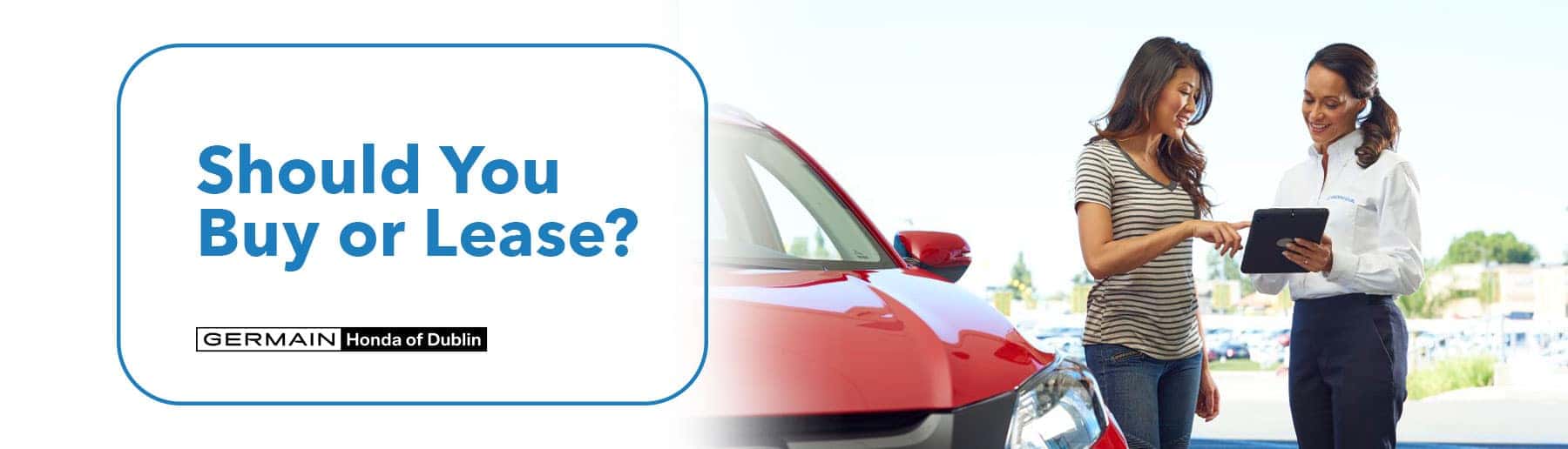
Should I buy a new car, or should I lease? The options can be confusing. This handy guide should help you decide which option is right for you. When you buy a car, you’ll be paying for the entire cost of a vehicle. Some people are able to pay upfront, while most will need to begin a payment plan to repay a car loan – but even if you pay in increments, you still pay the full price of the car. When you lease a car, it’s yours to use for a set amount of time as you pay a portion of the car’s value each month. That way, you only pay for the time you use the car.
| BUYING | LEASING | |
|---|---|---|
| ADVANTAGES | Owning a car can be a great investment. If you take care of it, you may not need to buy another car for years or perhaps be able to sell it for a good price when you opt for something new. Because there are no restrictions, you can drive as much as you want. And you can customize your car with accessories, add-ons, paint and bumper stickers, or aftermarket performance enhancers. | Leasing a car is much cheaper than buying it outright because you only pay a percentage of the total price. You won’t have to worry about fetching a good price or finding a buyer when you’re done, as the dealership will take it back from you. If you like to have the newest gadgets in your car, leasing may be your best bet, as you can regularly upgrade to drive the latest models. You may also be able to drive a fancier car than you could normally afford. |
| WHO OWNS IT | The car is yours and only yours. You might pay for it with cash or make payments under a financing plan. If you’re financing the car, your lender will require you to meet certain obligations, such as monthly or down payments. Otherwise, your car can be repossessed. | The institution through which you are leasing the car retains ownership. You’re essentially renting the vehicle. Your contract will state you’re using the car for a set amount of time in exchange for a set amount of money. |
| UP-FRONT COSTS | Financing a car means the bank or lender will need an initial payment from you, usually calculated according to your credit score, among other factors. You may also choose to trade in your old vehicle, the value of which can be put toward your down payment. | A lease doesn’t typically require a down payment, but you must provide the first month’s payment, security deposit, acquisition fee, and other applicable costs. It’s possible to lower your monthly payments by increasing your initial fee. |
| FUTURE VALUE | While the value of a new car begins to depreciate as soon as you drive it off the lot, you may be able to sell your car for a fair price as long as you maintain it properly. For this reason, it’s important to visit a factory-authorized service facility at regular maintenance intervals. However, even a car in bad shape may be sold for parts or scrap. | Because you don’t own the car, you will turn it into the leasing agency at the end of your lease. However, pay close attention to any mileage restrictions or wear and tear guidelines — excessive use may cost extra when you return your vehicle. |
| END OF PAYMENTS | You’ll have to pay a certain amount as stipulated in your contract, but once you’re done, that’s it. The institution you borrowed from will send you a Lien Release, proof that the vehicle belongs entirely to you and may not be repossessed for nonpayment. The vehicle is now yours. | You usually return the vehicle when your lease ends. However, you may be able to purchase it during or after the term of your lease or trade it in before the term of your lease is over. Ask your financing agent before signing the lease if you want to employ any of these options. |
Best Cars To Lease
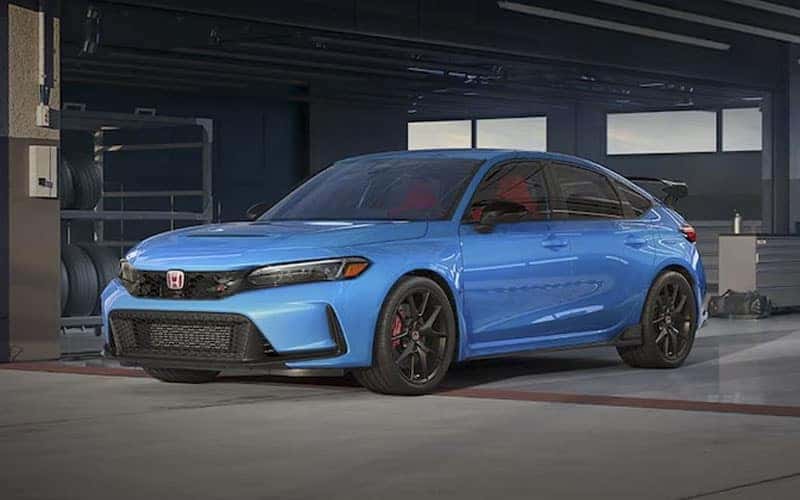
The amount you’ll pay for a lease is based on the time you’ll have the car and the amount it will depreciate once you’ve driven it, so the cheapest leases are those for cars that will retain their value after the lease term is up. You can review lease ratings to see which cars will depreciate quickly and which will stay valuable.